Many of the most beautiful homes in Johannesburg suburbs like Parkhurst, Parkview, Melville and Westdene were built decades ago. If your home is one of them, there is an extra step before you renovate: a heritage permit.
The 60-year rule
Section 34 of the National Heritage Resources Act (Act 25 of 1999) states that no person may alter or demolish any structure, or part of a structure, that is older than 60 years without a permit from the relevant provincial heritage authority.
In Gauteng, that authority is the Provincial Heritage Resources Authority Gauteng, known as PHRA-G (often written PHRAG). The rule applies automatically. Your property does not need to be a declared heritage site for it to apply.
What counts as an alteration?
The Act defines “alter” very broadly. It covers any action that affects the structure, appearance or physical properties of the building. That can include:
- Additions and extensions to the original house
- Demolishing walls, outbuildings or the whole structure
- Replacing original windows, doors or roof coverings
- Changing the street-facing facade
- Plastering or painting original face brick
Work on newer additions that are less than 60 years old may not need a heritage permit, but this has to be shown clearly in the submission.
How the PHRAG submission works
- Confirm the age of the building. We retrieve the original approved plans from council where possible. Our house plan retrieval service helps with this.
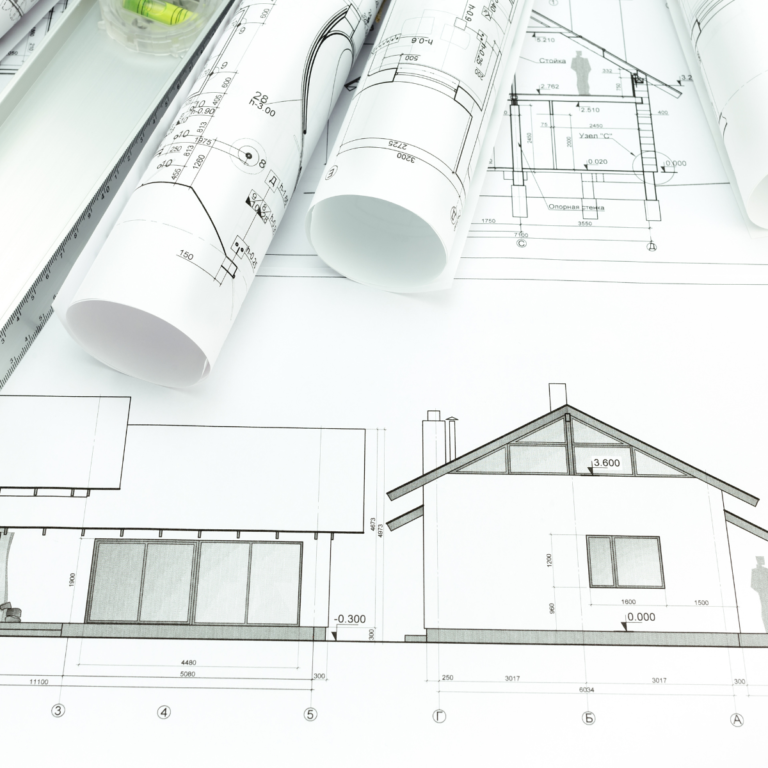
- Document the existing house. Photographs and measured drawings show what is original and what has changed over the years.
- Draw the proposed changes. The new work is drawn clearly against the existing building so the heritage authority can assess the impact.
- Submit to PHRAG. The application is lodged and assessed on its merits.
- Council submission. Once heritage approval is in place, the building plans can be submitted to the municipality.
Heritage approval is normally needed before council will approve the building plans, so it is worth starting this process early.
What if work was done without a permit?
Unpermitted alterations to an older building can be ordered to be reversed. They can also cause headaches when the property is sold, or when a new owner wants to renovate. In many cases it is possible to apply for retrospective approval, supported by proper documentation of what was done.
Planning a renovation on an older home?
We handle the drawings and the full PHRAG heritage submission, then take your plans through to council approval. Get in touch to discuss your project.